Property photography essentials every host needs
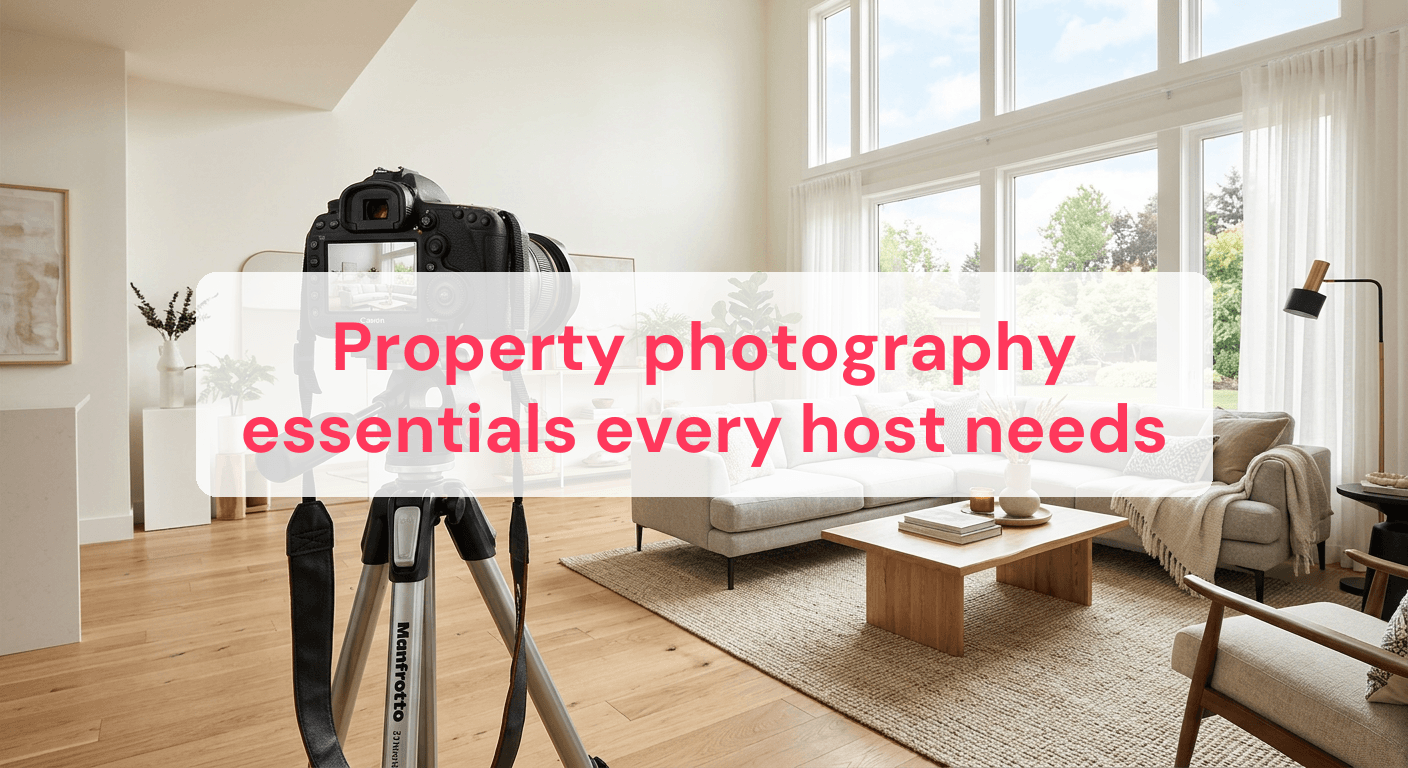
Property photography essentials encompass the vital skills, techniques, and equipment required to create captivating images that enhance rental listings. Mastering these essentials can significantly boost booking rates by making properties more appealing. This article will explore the necessary tools, debunk common equipment myths, and offer expert tips to refine your photography skills, ensuring your rental property stands out and attracts more guests.
Why quality property photos change everything
In the competitive world of vacation rentals, first impressions are everything. High-quality property photos can make your listing stand out, potentially increasing your booking rates. When potential guests browse through listings, captivating images can draw them in and keep them engaged. Let's explore how professional-standard photos can transform your rental's appeal.
Enhancing Perceived Value
When you showcase your property with stunning, high-resolution images, you enhance its perceived value. Guests often associate high-quality photos with high-quality experiences. Consider these scenarios:
- Bright and Well-Composed Photos: A well-lit, beautifully composed image of a living room can make it appear more spacious and inviting, compared to a dimly lit, cluttered photo.
- Showcase Unique Features: Highlighting unique architectural details or luxurious amenities can capture the attention of potential guests, making them more likely to book your property.
Increasing Guest Interest
Visually appealing images are more likely to generate interest and inquiries. Here’s how you can leverage this:
- Highlight Different Angles: Capture your property from multiple angles to give a comprehensive view. This helps potential guests visualize themselves in the space.
- Emphasize Key Areas: Focus on key areas such as the kitchen, bedrooms, and outdoor spaces. Ensure these images are clear and well-composed.
By investing time and effort into capturing high-quality photos, you create a more compelling listing that can lead to higher engagement and increased bookings. For more on photography essentials, see our guide on Airbnb photography equipment essentials.
What most people get wrong about equipment
Many hosts and property managers assume that a simple smartphone camera will suffice. However, there are critical elements of professional-grade equipment that can dramatically enhance the quality of your images, ultimately affecting your property's appeal and booking rate.
The Value of a DSLR or Mirrorless Camera
A common misconception is that all cameras are created equal, but this couldn't be further from the truth. A DSLR or mirrorless camera is essential for capturing high-quality images that stand out. Here's why:
- Dynamic Range: These cameras offer superior dynamic range, which allows you to capture both bright and dark areas of a scene without losing detail.
- Low-Light Performance: Their larger sensors perform better in low-light situations, which is crucial for indoor photography where lighting can be a challenge.
- Interchangeable Lenses: The ability to switch lenses offers flexibility in how you capture different spaces. This is particularly important for showcasing diverse aspects of your property.
The Role of a Wide-Angle Lens
Another common oversight is the neglect of a wide-angle lens. This tool is indispensable for real estate photography because:
- Capturing Spaciousness: A wide-angle lens can make rooms appear more spacious, a key selling point for potential guests looking for comfortable accommodations.
- Showcasing Layout: It helps provide a comprehensive view of a room's layout, enabling potential guests to visualize themselves in the space.
For those looking to optimize their photography setup, consider these features when selecting your gear:
- Focal Length: For real estate, a lens with a focal length between 16mm and 24mm is often ideal.
- Aperture: A lens with a wide aperture (e.g., f/2.8) can help in low-light conditions and create a pleasing depth of field.
Understanding these aspects will help you avoid common pitfalls and ensure your property photos are both stunning and effective. For more insights on essential gear, check out our vacation rental photography gear tips.

How to enhance photos without extra gear
Improving your property photos doesn't always require expensive equipment. With some strategic techniques, you can enhance your images using what you already have. Here are some effective methods to enhance your photos without additional gear.
Leverage Natural Lighting
Natural lighting is one of the most powerful tools at your disposal for enhancing property images. Here's how you can make the most of it:
- Shoot During Golden Hour: Capture photos during the golden hour, shortly after sunrise or before sunset, when the light is soft and warm. This can add a welcoming glow to your interiors and exteriors.
- Open Curtains and Blinds: Allow as much natural light into the space as possible. Open all curtains and blinds to let in more light, which can make rooms appear larger and more inviting.
- Avoid Harsh Midday Light: Midday light can create harsh shadows. If shooting during this time, use sheer curtains to diffuse the light and soften the shadows.
For more lighting insights, visit our guide on Best lighting for standout property photos.
Master Composition Tricks
Composition is key to creating visually appealing images. Here are some techniques to keep in mind:
- Rule of Thirds: Imagine your photo divided into nine equal parts by two horizontal and two vertical lines. Place key elements along these lines or at their intersections to create balanced and engaging compositions.
- Use Leading Lines: Incorporate lines that naturally guide the viewer’s eye through the image. This could be a pathway leading to the front door or the lines of a countertop drawing attention to the kitchen.
- Capture a Variety of Angles: Experiment with different angles to find the most flattering perspective of each room. Lowering the camera slightly can often create a more inviting look, particularly in living spaces.
By applying these techniques, you can significantly enhance the quality of your property images, making your listing more attractive to potential guests.
Essential post-processing tips for standout images
Post-processing is a critical step in property photography, allowing you to refine and elevate your images to attract potential guests. By mastering a few basic editing techniques, you can significantly enhance the appeal of your property photos.
Basic Editing Techniques
To ensure your photos capture the attention of viewers, focus on these essential editing steps:
- Adjust Brightness and Contrast: Enhance the overall illumination of your images by adjusting the brightness. Increasing contrast can help make details pop, but be cautious not to overdo it, as this can create an unnatural look.
- Correct Color Balance: Achieving the right color balance is crucial for presenting a realistic view of your property. Use the white balance tool to correct any color casts, ensuring that whites appear true and colors are accurately represented.
- Sharpening: Apply sharpening to bring out the details in your images. This is especially important for showcasing textures and architectural features. Use this tool sparingly to avoid creating an overly processed appearance.
Common Editing Mistakes to Avoid
While editing can greatly enhance your photos, it's important to avoid common pitfalls that can detract from their quality:
- Over-Saturation: While vibrant colors can be appealing, over-saturating your images can make them appear unrealistic. Aim for a balanced look that remains true to the actual property.
- Excessive HDR: High Dynamic Range (HDR) can be useful for balancing exposures but overuse can lead to images that look artificial. Strive for a natural enhancement that highlights the best features without exaggeration.
For additional tips on ensuring your images remain natural yet striking, explore our Photography tips for standout rental properties.
Common Questions
What is needed in a photography studio?
A photography studio requires essential equipment such as cameras, lighting, and backdrops. A DSLR or mirrorless camera is recommended for high-quality images. Proper lighting, including softboxes or LED panels, is crucial to control shadows and highlights. Additionally, a variety of backdrops or props can help set the right scene for different shots.
Is 24mm enough for real estate?
A 24mm lens can be sufficient for real estate photography, especially in smaller spaces. It provides a wide enough angle to capture entire rooms and their details without significant distortion. However, for larger properties or to achieve more dramatic perspectives, a wider lens might be more effective.
What mm is best for real estate photography?
For real estate photography, lenses between 16mm and 35mm are commonly recommended. A 16-24mm range is ideal for capturing wide angles in smaller rooms, while 24-35mm can offer versatile options for larger spaces. The choice depends on the size of the property and the desired composition style. For more insights, consider exploring our guide on Best camera settings for stunning real estate shots.
By integrating the right equipment and mastering essential photography techniques, you can significantly elevate the appeal of your property listings. Remember, high-quality images are key to attracting potential guests and increasing booking rates. Focus on capturing well-lit, true-to-life photos and refine them with thoughtful editing to ensure your images stand out. These practices will help you create compelling visuals that resonate with viewers and drive interest in your rental property.
Ready to have professional photos?
Our team transforms your existing rental photos into stunning, high-converting images that bring you more bookings. No photoshoot required. 100% refund guaranteed.
Improve My Photos →