Vacation rental legal requirements made simple
In 2022, over 50% of vacation rental owners faced unexpected legal hurdles that could have been avoided with proper knowledge of local regulations. Navigating the complex web of vacation rental legal requirements is not just about ticking boxes; it's a crucial step in safeguarding your investment and ensuring a smooth operation. Failing to comply with local laws can lead to hefty fines, legal battles, or even forced closures, severely impacting your revenue and reputation. Legal requirements vary significantly based on location and the type of rental property, making it essential to stay informed and proactive. By the end of this post, you'll gain a clear understanding of the key legal considerations every vacation rental host must navigate to avoid pitfalls and enhance their business's longevity.
What permits and licenses are essential?
Understanding and obtaining the necessary permits and licenses is a critical step in establishing your vacation rental. Without these, you risk facing legal challenges that can disrupt your business. Below, we break down the essential permits and licenses you need to consider.
Business License
A business license is often the first requirement for operating a vacation rental. This license legally acknowledges your property as a business entity, allowing you to operate within the jurisdiction.
- Why it's necessary: It legitimizes your rental in the eyes of local authorities and allows for the collection of local taxes.
- Potential penalties: Without a business license, you could face fines ranging from $500 to $5,000, depending on the city or state.
- Examples:
- In Los Angeles, obtaining a business license is mandatory for all short-term rental properties.
- Miami requires hosts to renew their business licenses annually.
Short-Term Rental Permit
A short-term rental permit is specifically designed for properties rented for short durations, typically under 30 days.
- Why it's necessary: It ensures that your property complies with local zoning and occupancy regulations.
- Potential penalties: Operating without a permit can lead to daily fines or even a ban on future operations.
- Examples:
- San Francisco mandates a short-term rental registration, requiring proof of primary residency.
- In New York City, securing this permit involves stringent regulations to control illegal short-term rentals.
Fire Safety Compliance
Fire safety compliance is crucial for ensuring the safety of your guests and protecting your property from potential fire hazards.
- Why it's necessary: It minimizes the risk of fire-related incidents and ensures that proper safety measures are in place.
- Potential penalties: Failing to comply with fire safety standards can lead to fines, closure of your rental, or liability in the event of an incident.
- Examples:
- In Chicago, properties must have smoke detectors in every bedroom and on each level of the home.
- Boston requires a fire safety certificate for short-term rentals, confirming adherence to local fire codes.
Acquiring these permits and licenses not only helps you avoid costly penalties but also builds credibility with your guests. For more on securing your investment, explore Vacation Rental Insurance Options.
How zoning laws affect vacation rentals
Zoning laws can significantly impact the operation of vacation rentals by determining where and how you can legally rent out your property. Understanding these laws is crucial to avoid potential legal issues and ensure your business operates smoothly.
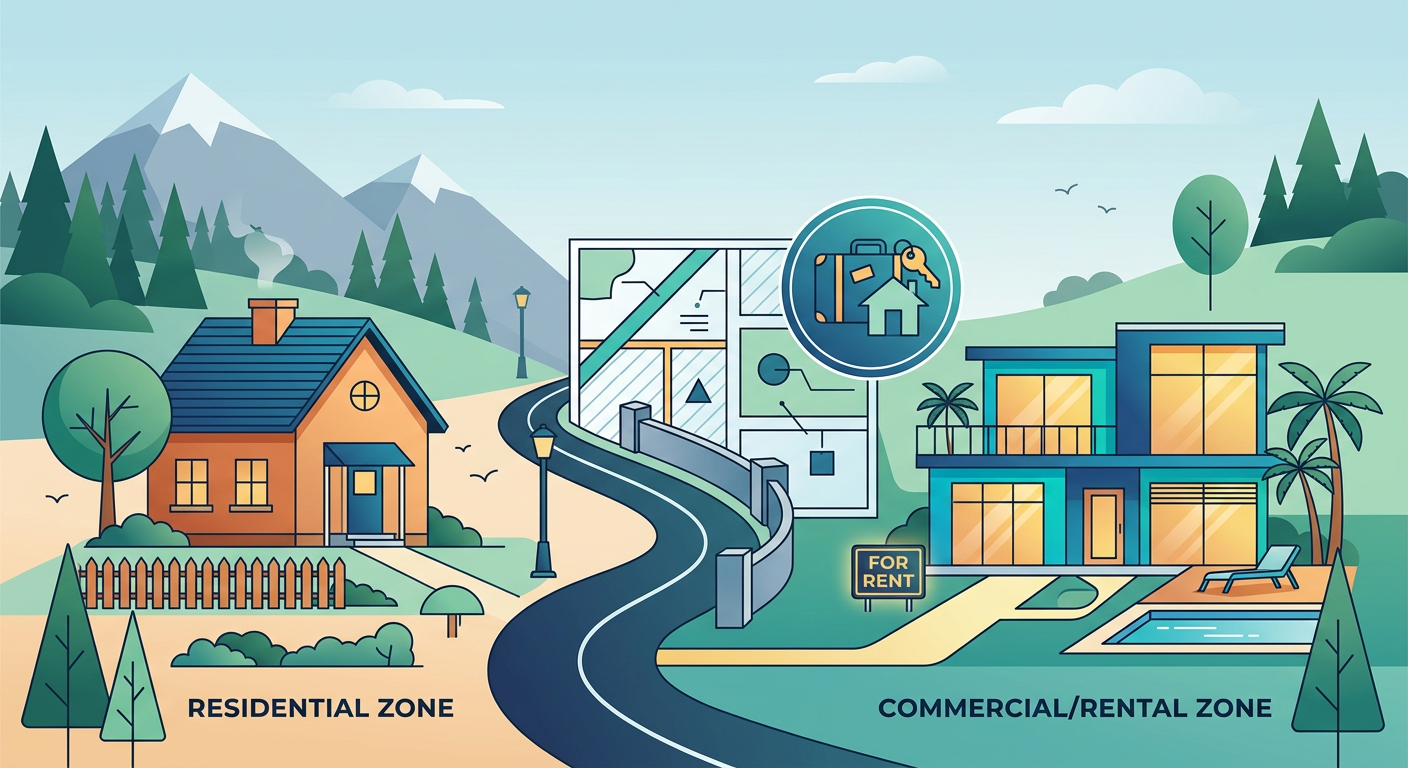
Residential vs. Commercial Zones
Residential and commercial zoning distinctions are vital for vacation rental hosts. Typically, vacation rentals are more restricted in residential zones, whereas commercial zones might offer more flexibility.
- Residential Zones: In many cities, vacation rentals in residential areas may face limitations on the number of days a property can be rented per year. For instance, in Los Angeles, owners in residential zones are restricted to renting their primary residence for no more than 120 days per calendar year without additional permits.
- Commercial Zones: Conversely, properties located in commercial zones often have fewer restrictions. However, it's essential to check local ordinances as some cities, like Austin, have specific requirements even for commercial zones.
Special Use Permits
Some areas require special use permits for vacation rentals, especially in zones not typically designated for such activities. These permits allow property owners to operate a vacation rental in areas where it might otherwise be prohibited.
- Why Special Use Permits Matter: They offer a pathway for hosts who wish to operate in restricted zones, ensuring compliance with local laws.
- Real-World Example: In New Orleans, a special use permit is required for short-term rentals in certain neighborhoods, especially those with historic significance. This ensures that the character of the neighborhood is preserved while allowing for tourism-based economic benefits.
Steps to Verify Zoning Compliance
- Research Local Zoning Maps: Start by examining the zoning map of your city or town, available through municipal websites or local planning departments.
- Consult with Local Authorities: Contact your local zoning office to verify whether your property is eligible for vacation rental use.
- Understand Permit Requirements: Determine if you need a special use permit and the application process involved.
- Stay Informed: Zoning laws can change, so it's crucial to stay updated on new regulations that might affect your vacation rental.
Navigating zoning laws can be complex, but understanding these regulations is essential for operating a successful vacation rental. For further reading on related topics, you might find our article on Short Term Rental Tax Deductions useful.
Tax obligations every host should know
Navigating the tax landscape for vacation rental properties can be challenging, but understanding your obligations is crucial to maintaining compliance and maximizing your profitability. Here, we'll break down the essential tax requirements every host should be aware of, from local levies to federal obligations.
Local Taxes
Local taxes can vary significantly depending on your property's location. Transient occupancy taxes, often referred to as hotel or lodging taxes, are common in many jurisdictions. These taxes are typically calculated as a percentage of the rental income and can range anywhere from 5% to 15%. To ensure compliance:
- Check Local Regulations: Consult your city's tax or revenue department to understand the specific local taxes applicable to your rental.
- Register Your Property: You may need to register your property with the local authorities to collect and remit these taxes.
- Collect and Remit Taxes: Ensure you collect the appropriate amount from guests and remit it to the local government within the specified timeline.
State and Federal Taxes
In addition to local taxes, you must also consider state and federal tax obligations. Rental income is generally considered taxable and must be reported on your federal and state tax returns. Here are some steps to manage these responsibilities:
- Keep Detailed Records: Maintain accurate records of all rental income and expenses.
- Report Rental Income: Include all rental income on your federal tax return, typically using Schedule E.
- Pay Estimated Taxes: If rental income constitutes a significant portion of your earnings, you might need to pay estimated taxes quarterly.
Tax Deductions
Understanding available tax deductions can significantly reduce your taxable income. Common deductions include property taxes, mortgage interest, and operational expenses such as cleaning and maintenance. To explore these deductions further, you can read our article on Short Term Rental Tax Deductions.
By staying informed and diligent about your tax obligations, you can ensure compliance while optimizing your rental business's financial performance.
Insurance requirements for peace of mind
Understanding the right insurance coverage for your vacation rental is crucial not only for protecting your property but also for ensuring peace of mind. With the right insurance, you can safeguard against potential risks that could otherwise lead to significant financial losses.
Liability Insurance
Liability insurance is essential for any vacation rental host. This type of insurance protects you from legal claims if a guest is injured on your property. For instance, if a guest trips over a loose carpet and sues for medical expenses, liability insurance can cover legal fees and settlements. Key points to consider:
- Coverage Limit: Ensure your policy covers at least $1 million in liability. This is a common benchmark for adequate protection.
- Medical Payments: Some policies include coverage for medical expenses without the need for a lawsuit.
- Additional Insured: You might want to add your property manager or co-host as an additional insured party.
For more details on liability coverage, you can explore our Airbnb Host Insurance Options.
Property Insurance
Property insurance is designed to protect the physical structure of your rental and its contents. This coverage can be vital in the event of damage caused by natural disasters, theft, or vandalism. Consider these aspects:
- Replacement Cost vs. Actual Cash Value: Replacement cost policies cover the full cost to repair or replace damaged property, whereas actual cash value policies offer the depreciated value.
- Specialized Coverage: Look for policies that cater specifically to vacation rentals, as standard homeowner's insurance may not cover rental activity.
- Deductibles: Balance your premium costs with the deductible amount. A higher deductible can lower your premium but increases out-of-pocket costs in the event of a claim.
Host Protection Insurance
For added security, host protection insurance provides an additional layer of coverage. While platforms like Airbnb offer some level of host protection, it's crucial to understand the limitations:
- Third-Party Claims: This coverage often includes third-party bodily injury or property damage.
- Coverage Gaps: Assess any gaps between what your primary insurance covers and what the platform offers.
- Supplementary Policies: Consider supplementary policies to fill in these gaps and ensure comprehensive protection.
By carefully selecting the right insurance policies, you can protect your investment and focus on providing an excellent guest experience. For a deeper dive into choosing the right insurance, check out our comprehensive guide on Vacation Rental Insurance Options.
Guest safety and accessibility standards
Ensuring guest safety and accessibility in your vacation rental is not just a legal requirement; it's a critical component of offering a welcoming and secure environment. By prioritizing these aspects, you enhance your guests' experience and protect yourself from potential liabilities.
Safety Equipment
To maintain a safe environment, it's imperative to equip your property with essential safety devices. Here are some must-haves:
- Smoke Detectors: Install in every bedroom and outside sleeping areas. Test them monthly and replace batteries at least once a year.
- Carbon Monoxide Alarms: Particularly important if your property has gas appliances. Place them near sleeping areas to ensure guests are alerted in case of a leak.
- Fire Extinguishers: Keep at least one on each floor. Ensure they are easily accessible and guests are aware of their location.
- First Aid Kits: Stocked with bandages, antiseptics, and other essentials, these kits should be readily available in case of minor injuries.
- Emergency Contact Information: Clearly display local emergency numbers and your contact information for immediate assistance.
Accessibility Features
Adhering to accessibility standards is crucial, not only to comply with regulations like the Americans with Disabilities Act (ADA) but also to cater to a broader audience. Consider integrating the following features:
- Ramps and Lifts: Provide alternatives to stairs, ensuring easy access for those with mobility challenges.
- Wide Doorways and Hallways: Aim for at least 32 inches in width to accommodate wheelchairs.
- Accessible Bathrooms: Install grab bars and consider roll-in showers or shower chairs for ease of use.
- Visual and Auditory Aids: Include visual alarms and provide printed materials in large fonts for guests with hearing or vision impairments.
By implementing these safety and accessibility measures, you not only comply with legal standards but also enhance the comfort and satisfaction of all guests. For more on improving your property's guest-readiness, consider exploring our Rental Property Investment Tips.
Comparison of legal requirements by region
Understanding the legal landscape for vacation rentals can be a complex task, as requirements can vary significantly depending on the location. Below is a comparison of legal requirements in various regions to help you navigate the essential permits, zoning specifics, tax rates, and insurance needs. This information can assist you in making informed decisions for your vacation rental business.
| Location | Key Permits Required | Zoning Specifics | Tax Rates (Local) | Insurance Needs |
|---|---|---|---|---|
| New York City | Short-Term Rental Permit | Restricted in certain zones | 5.875% | Liability, Fire |
| Los Angeles | Home-Sharing Registration | Limited to primary residences | 9.5% | Liability, Earthquake |
| Austin | STR License | Residential areas allowed | 11% | Liability, Flood |
| San Francisco | Business Registration | Restricted in some neighborhoods | 8.5% | Liability, Theft |
| Miami | Vacation Rental License | Specific tourist zones required | 7% | Liability, Hurricane |
| Chicago | Shared Housing Unit Registration | Allowed in mixed-use areas | 4.5% | Liability, Vandalism |
Frequently asked questions about rental legalities
Do I need a special permit for Airbnb hosting?
Yes, many cities require a special permit or registration to host on platforms like Airbnb. For example, New York City mandates a Short-Term Rental Permit, while Los Angeles requires a Home-Sharing Registration. It's crucial to check with your local government to understand specific requirements applicable to your area.
How can I find my local zoning laws?
You can find local zoning laws by visiting your city's official government website or contacting the local zoning office. Many municipalities provide online maps and databases where you can search by address to see zoning classifications and restrictions. It's important to review these resources to ensure your property complies with local zoning regulations.
What are the penalties for non-compliance?
Penalties for non-compliance can range from fines to legal action. For instance, in San Francisco, failing to register a short-term rental can result in fines up to $484 per day. Non-compliance can also lead to revocation of permits and the inability to legally operate your rental.
How often do I need to renew my licenses and permits?
The renewal frequency for licenses and permits varies by location and type of permit. Some areas require annual renewals, while others may have biennial or longer terms. It's essential to check the specific renewal requirements for your permits to avoid lapses that could lead to penalties.
Understanding and complying with vacation rental legal requirements is crucial for the success and legality of your rental operations. Remember to secure the necessary permits and licenses, adhere to zoning laws, and fulfill tax obligations to avoid hefty penalties. Prioritizing guest safety and ensuring appropriate insurance coverages can safeguard your investments and enhance guest experience. Stay informed and regularly consult with local authorities to ensure your rental remains compliant with ever-evolving regulations.
Ready to have professional photos?
Our team transforms your existing rental photos into stunning, high-converting images that bring you more bookings. No photoshoot required. 100% refund guaranteed.
Improve My Photos →