How to market rental properties effectively
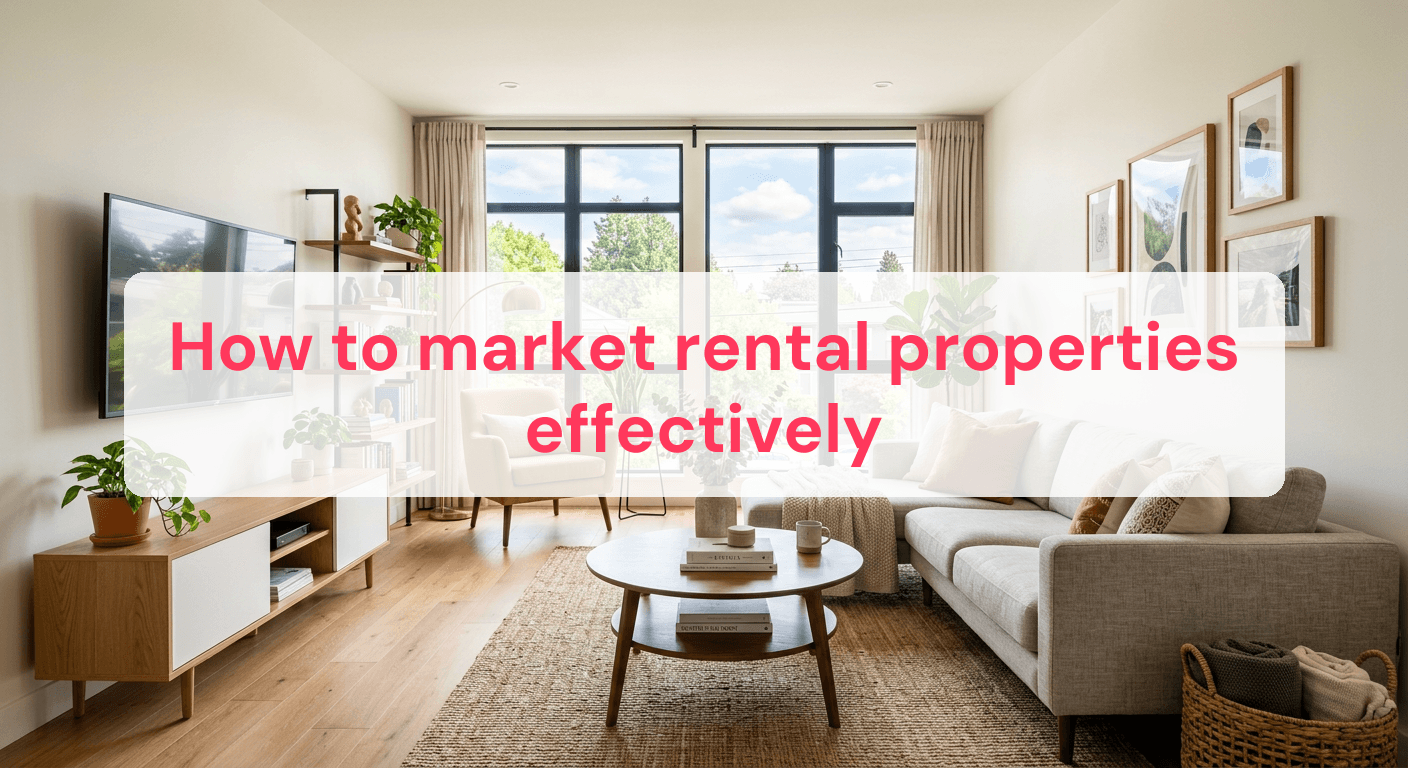
To effectively market rental properties, it is essential to leverage online platforms, utilize high-quality visuals, and implement strategic pricing. These elements help attract tenants quickly and reduce vacancy periods. In this article, readers will learn key strategies to enhance their rental property marketing, avoid common pitfalls, and see examples of successful techniques in action. By understanding these aspects, property owners and managers can optimize their listings to improve occupancy rates and maximize revenue.
Why high-quality visuals change everything
High-quality visuals are not just beneficial—they are essential. They set the stage for potential guests, influencing their decision to book or pass on a property. A listing with professional photos and thoughtful staging can significantly enhance the perceived value of a rental, making it stand out in a crowded marketplace.
The Impact of Professional Photography
Professional photography can transform your rental listing by presenting your property in the best possible light. It's not just about having a clean and well-lit space; it's about crafting an image that tells a story. Here’s why professional photography matters:
- First Impressions Matter: The first image potential guests see can determine whether they click on your listing or scroll past it. High-resolution, well-composed photos grab attention and invite viewers to learn more.
- Highlighting Key Features: Professional photographers know how to emphasize the unique selling points of your property, whether it's a stunning view, spacious living area, or modern kitchen. This ensures that potential guests see what makes your property special.
- Trust and Credibility: Quality photos suggest that you take pride in your property and are serious about hosting. This builds trust with potential guests, making them more likely to book.
For those looking to improve their photography skills, consider these tips from our Photography Tips Rental Properties:
- Use natural light whenever possible to create bright and inviting images.
- Take photos from various angles to capture the full essence of each room.
- Ensure your camera is steady for sharp, clear images—use a tripod if necessary.
Staging for Success
Staging is another critical element that can elevate your rental property’s appeal. It involves organizing and decorating the space to highlight its potential and make it more inviting. Here’s how you can stage your property for maximum effect:
- Declutter and Clean: A clutter-free environment allows potential guests to imagine themselves in the space. Remove personal items and ensure the property is spotless.
- Create a Cohesive Look: Use a consistent color palette and style throughout the property to create a harmonious atmosphere. This helps guests feel more comfortable and at home.
- Highlight Functionality: Arrange furniture in a way that showcases the functionality of each room. For example, a well-placed desk in a corner can highlight a productive workspace.
By staging your property effectively, you enhance its visual appeal and help potential guests envision their stay.
Common Visual Mistakes
Despite the importance of visuals, many property owners make mistakes that can deter potential bookings. Here are some common pitfalls to avoid:
- Over-editing Photos: While editing tools can enhance images, over-editing can create unrealistic expectations. Keep edits natural to maintain credibility.
- Inadequate Lighting: Poor lighting can make even the most beautiful spaces look unattractive. Always ensure rooms are well-lit to capture their true essence.
- Ignoring Seasonal Updates: Update photos to reflect the current season. A winter photo in summer can be off-putting and may suggest that the listing is outdated.
By avoiding these mistakes, you ensure your listing remains attractive and relevant, increasing the likelihood of bookings. High-quality visuals are a powerful tool in rental marketing, capable of transforming a simple listing into an irresistible invitation.
What most people get wrong about pricing
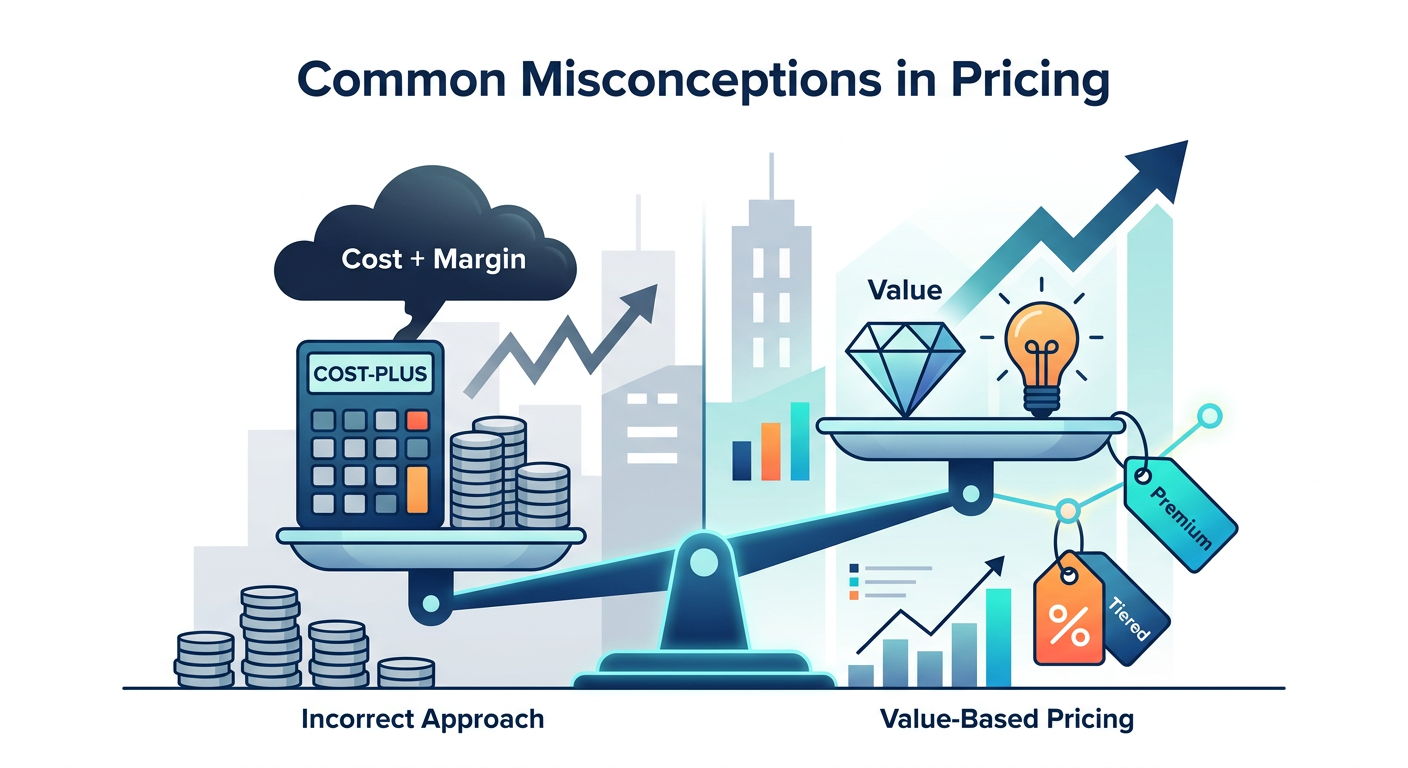
Setting the right price for your rental property is a crucial step in attracting potential tenants. However, many property owners fall into the trap of either overpricing or underpricing, which can deter interested renters and impact profitability. Understanding the nuances of rental pricing can help you avoid these common pitfalls and maximize your property's potential.
Researching Competitive Prices
Understanding the local market is essential to setting a competitive rental price. Here's a step-by-step guide to conducting effective market research:
-
Analyze Comparable Listings: Look at similar properties in your area to gauge the average rental prices. Consider factors like square footage, number of bedrooms, and amenities. Websites like Zillow and Apartments.com can provide a wealth of information on current listings.
-
Evaluate Neighborhood Trends: Some neighborhoods may command higher prices due to proximity to schools, public transportation, or entertainment hubs. Research local trends to understand how these factors might influence your pricing.
-
Consult Market Reports: Utilize market analysis reports from reputable sources to gain insights into rental trends. According to Truedoor Property Management, effective marketing in competitive rental markets can help landlords attract qualified tenants faster, reducing costly vacancies.
-
Adjust for Unique Features: If your property offers unique features—such as a rooftop terrace or high-end appliances—factor these into your pricing. However, be cautious not to overestimate their value compared to the overall market.
By thoroughly researching and understanding the local market, you can set a price that reflects the true value of your property while remaining competitive.
Timing Your Listing for Peak Seasons
Timing can significantly impact your rental property's success. Understanding the seasonal dynamics of the rental market can help you optimize your listing's timing:
-
Identify Peak Rental Seasons: Typically, spring and summer are considered peak seasons for rentals. Families prefer to relocate during these months to avoid disrupting the school year. Listing your property during these times can increase visibility and attract more potential tenants.
-
Leverage Off-Peak Strategies: If your property becomes vacant during an off-peak season, consider offering a slight discount or a limited-time promotion to entice renters. According to Showdigs, every vacant day represents a direct revenue loss, so staying proactive with pricing adjustments during slower months is crucial.
-
Monitor the Market Continuously: Keep an eye on the local rental market throughout the year. Economic changes or new developments in your area can influence rental demand and pricing. Regularly updating your pricing strategy ensures you remain competitive.
-
Use Dynamic Pricing Tools: If managing multiple properties, consider using dynamic pricing tools that adjust rates based on real-time market data. This approach can help you capture optimal pricing opportunities without constant manual adjustments.
By timing your listing strategically and remaining adaptable to market changes, you can enhance your property's appeal and reduce vacancy periods.
How to leverage multiple listing platforms
Effectively marketing your rental property involves leveraging multiple listing platforms to maximize exposure and attract potential tenants. By understanding the strengths and weaknesses of each platform, you can strategically position your property to reach the right audience. This section will guide you through choosing the right platforms and maximizing their features to boost your rental property's visibility.
Choosing the Right Platforms
Selecting the appropriate platforms for your rental listings is essential to ensuring your property reaches its target audience. Here are some well-known platforms you might consider:
- Zillow
- Pros:
- Wide Reach: Zillow is one of the most popular real estate websites, attracting millions of visitors each month.
- Comprehensive Listings: Offers options for detailed property descriptions and photos.
- User-Friendly Interface: Easy to navigate for both hosts and potential tenants.
-
Cons:
- High Competition: Due to its popularity, listings can quickly get buried among thousands of others.
- Limited Free Options: Some features may require a subscription or fee.
-
Apartments.com
- Pros:
- Targeted Audience: Specifically caters to apartment hunters, making it ideal for rental properties.
- Detailed Filters: Allows users to filter by amenities, location, and more, helping attract qualified tenants.
- Professional Presentation: Supports high-quality photos and detailed descriptions.
-
Cons:
- Fee-Based Listings: Some features may require payment, which can be a barrier for budget-conscious hosts.
- Regional Limitations: May not have as extensive reach in certain areas compared to Zillow.
-
Facebook Marketplace
- Pros:
- Community Engagement: Leverages social networks to increase visibility and engagement.
- Cost-Effective: Generally free to list, making it accessible for all property owners.
- Direct Communication: Facilitates direct messaging between hosts and potential renters.
- Cons:
- Informal Setting: Less formal than dedicated rental platforms, which might affect the perception of your listing.
- Limited Search Functionality: Lacks the advanced search filters found on dedicated rental sites.
By evaluating these platforms, you can determine which ones align best with your property type, location, and target audience. For more insights, consider exploring our guide on the Best Places to Advertise Vacation Rentals.
Maximizing Platform Features
Once you've chosen the appropriate platforms, it's crucial to maximize their features to enhance your listing's appeal and visibility. Here are some strategies to consider:
-
Utilize High-Quality Photos: According to Truedoor Property Management, professional photos help listings stand out by allowing potential tenants to visualize themselves in the space. Ensure your photos are well-lit and showcase the best aspects of your property.
-
Craft Compelling Descriptions: Highlight unique features of your property, such as proximity to local attractions or recent renovations. Use descriptive language to paint a vivid picture for potential tenants.
-
Engage with Potential Tenants: Platforms like Facebook Marketplace allow for direct communication. Respond promptly to inquiries to foster trust and demonstrate professionalism.
-
Leverage User Reviews: Encourage satisfied tenants to leave positive reviews on platforms that support them. Positive feedback can significantly enhance your property's credibility and appeal.
-
Regularly Update Listings: Keep your listings current by updating photos, descriptions, and pricing as needed. This practice not only ensures accuracy but also boosts your listing's position in search results.
By taking full advantage of the features offered by each platform, you can effectively market your rental property, attract qualified tenants, and minimize vacancy periods. Remember that consistency and attention to detail are key to standing out in a competitive rental market.
Why social media marketing is essential
Social media platforms offer a powerful way to enhance the visibility of your rental property. By strategically utilizing these platforms, you can reach a broader audience and increase your chances of attracting potential tenants. Here, we explore how to create engaging content and target the right audience to maximize your property's exposure.
Creating Engaging Content
To capture the interest of potential renters, it's crucial to produce content that resonates and encourages interaction. Here are some strategies:
-
Use High-Quality Visuals: Visuals are the cornerstone of engaging social media content. Use professional photographs and videos to showcase your property's best features. For example, a well-lit video tour can help potential tenants visualize themselves living in your space.
-
Tell a Story: Craft posts that tell a story about your property or the local area. Highlight unique aspects like nearby attractions or historical features. For instance, a post detailing a day in the life at your rental location can create an emotional connection.
-
Include Interactive Elements: Engage your audience by incorporating polls, Q&A sessions, or live tours. This not only boosts interaction but also provides valuable feedback. For example, a poll about preferred amenities can inform future property upgrades.
-
Utilize Hashtags: Use relevant hashtags to increase the discoverability of your posts. Incorporate popular tags related to rentals, your city, or neighborhood attractions to reach a wider audience.
Targeting the Right Audience
Understanding your target market is essential for effective social media marketing. By tailoring your content and advertising strategies, you can ensure your posts reach the most relevant potential tenants.
-
Define Your Audience: Clearly identify the demographics of your ideal tenant. Consider factors such as age, profession, and lifestyle preferences. For example, if your property is near a university, target students or academic staff.
-
Leverage Platform Features: Use the targeting features available on platforms like Facebook and Instagram to narrow down your audience. This can include geographic location, interests, and even behaviors.
-
Analyze Engagement Data: Regularly review insights and analytics to understand which content performs best and who is engaging with it. Use this data to refine your strategy and focus on what resonates most with your audience.
-
Run Targeted Ads: Consider using paid advertising to boost your reach. Create ads that highlight your property's unique selling points and direct them towards the defined audience segments.
By consistently applying these strategies, you can effectively use social media to market your rental property, ensuring it stands out in a competitive market. Remember, the key is to remain authentic and engaging while keeping your target audience at the forefront of your strategy.
Effective offline marketing strategies
While digital marketing dominates rental property marketing, offline strategies remain invaluable for reaching potential tenants in your local area. Engaging with the community and utilizing print media can effectively complement your online efforts and ensure a well-rounded marketing plan.
Networking in the Community
Building relationships within the community is a powerful way to market your rental property. By integrating yourself into local networks, you can tap into a pool of potential tenants who might not be reached through digital channels.
-
Participate in Local Events: Attend and sponsor local events such as farmers' markets, festivals, or neighborhood fairs. These gatherings offer a chance to connect with residents and share information about your rental property. For example, setting up a booth at a local event with brochures and a tablet showcasing a virtual tour of your property can entice attendees to learn more.
-
Join Community Groups: Become an active member of local housing or business associations. This involvement not only increases your visibility but also allows you to stay informed about local rental trends and needs. Regularly attending meetings and contributing to discussions can position you as a knowledgeable resource in the community.
-
Leverage Word of Mouth: Encourage satisfied tenants to spread the word about your property. Offering a small incentive, such as a gift card, for successful referrals can motivate tenants to recommend your property to friends and family.
-
Collaborate with Local Businesses: Partner with nearby businesses to create mutually beneficial promotions. For example, you could offer new tenants a discount at a local restaurant as part of their welcome package, which can also drive business to the restaurant.
Using Print Media
Despite the rise of digital channels, print media continues to hold significant sway in certain demographics and can be a useful tool for reaching potential tenants.
-
Distribute Flyers and Brochures: Design eye-catching flyers that highlight your property's best features and distribute them in high-traffic areas such as coffee shops, libraries, and community centers. Be sure to include essential details like contact information and a call to action.
-
Advertise in Local Newspapers: Place ads in local newspapers, especially in the real estate or classifieds sections. This approach can be particularly effective in smaller communities where residents may rely on print media for local news and listings.
-
Create Engaging Posters: Use vibrant posters with compelling visuals and concise text to capture attention. Display them on community boards, in local gyms, or at popular gathering spots. Ensure the posters direct interested parties to your contact information or website for more details.
-
Utilize Direct Mail Campaigns: Send postcards or newsletters to nearby neighborhoods. Personalize these mailings with information about any special offers or open house events to encourage recipients to explore your rental property further.
By integrating these offline marketing strategies into your overall plan, you can enhance your property's visibility and attract a diverse range of potential tenants. Remember, the key is to maintain genuine connections and provide valuable, engaging content tailored to your local audience.
Common Questions
What is the 30% rule for apartments?
The 30% rule for apartments suggests that you should spend no more than 30% of your gross monthly income on rent. This guideline helps ensure that renters maintain financial stability by leaving adequate funds for other essential expenses like utilities, groceries, and savings. It's a widely used benchmark for budgeting housing costs and assessing affordability.
Can I afford $1000 rent making $20 an hour?
Yes, you can afford $1000 rent making $20 an hour if you work full-time, but it will require careful budgeting. Assuming a 40-hour workweek, a $20 hourly rate translates to roughly $3,200 per month before taxes. Following the 30% rule, $960 is the recommended maximum for rent, so while $1000 is slightly above this threshold, it might still be manageable depending on your other expenses and financial commitments.
What is the most profitable thing to rent?
The most profitable thing to rent often depends on market demand and location, but short-term vacation rentals can be highly lucrative. Platforms like Airbnb have enabled property owners to capitalize on high demand in popular tourist areas, often yielding higher returns compared to long-term rentals. However, profitability can also be found in niche markets such as renting out specialized equipment, storage spaces, or luxury vehicles, depending on local demand and competition.
To truly enhance your rental property's marketability, prioritize high-quality visuals to make your listings stand out and attract potential tenants. Pair this with strategic pricing that reflects the market while remaining competitive. Don't forget to leverage both online and offline channels to broaden your reach and engage with a diverse audience. By applying these strategies, you can improve your occupancy rates and ensure a steady stream of interested renters.
Related reading
Ready to have professional photos?
Our team transforms your existing rental photos into stunning, high-converting images that bring you more bookings. No photoshoot required. 100% refund guaranteed.
Improve My Photos →