Rental Property Staging Tips That Boost Bookings Instantly
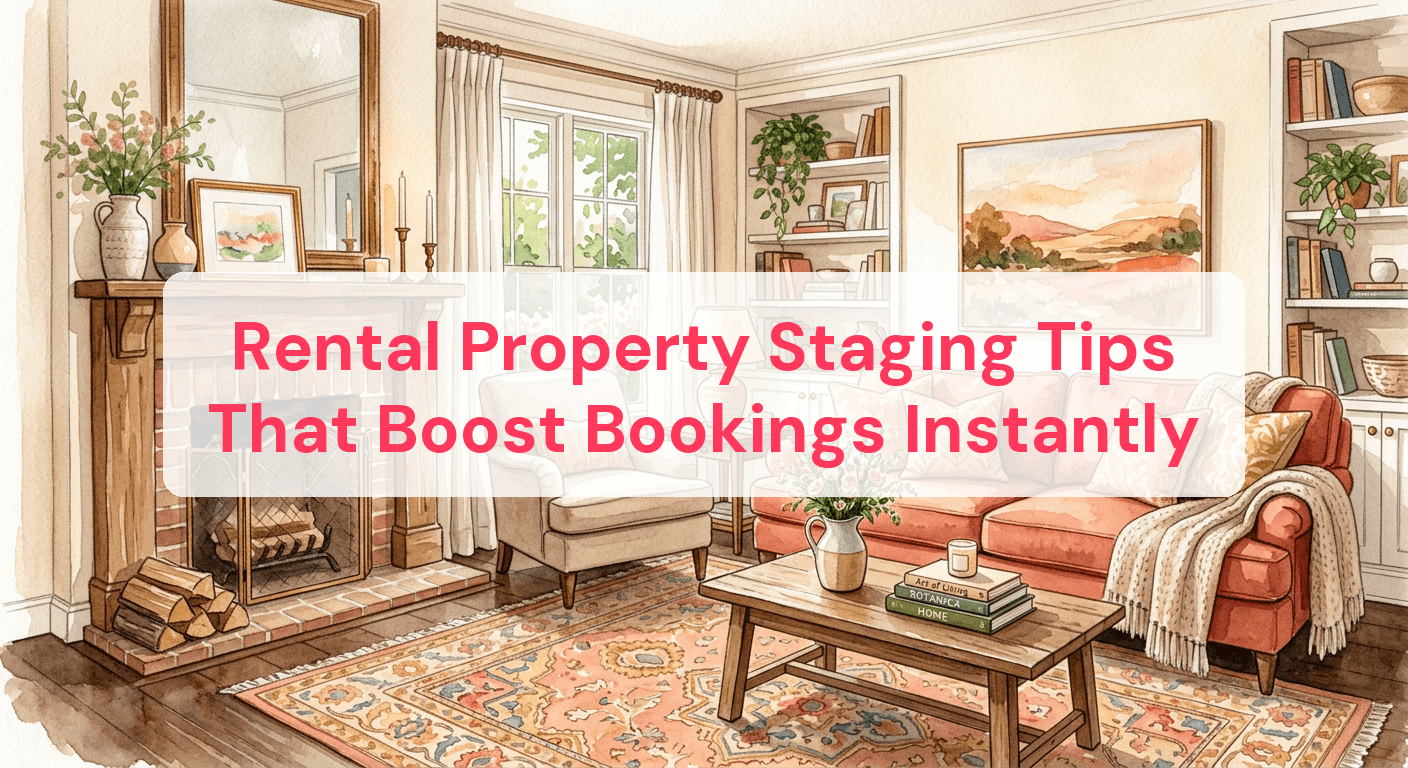
Did you know that staging a rental property can boost booking rates by up to 20%? Many hosts are unaware of the transformative power of staging, often leaving potential profits untapped. Take the case of a vacation rental owner in San Diego who decided to stage her property after months of stagnant bookings. Within just one month, her occupancy rate increased by 30%, and guests consistently praised the inviting atmosphere in their reviews. Staging isn't just about making a space look pretty; it's a strategic move to highlight your property's best features and create an emotional connection with potential guests. By the end of this post, you'll understand how to effectively stage your rental to maximize bookings and minimize vacancy periods.
Get the Lighting Right Before You Shoot
When it comes to staging photos, lighting is everything. It can make or break the first impression potential guests have of your rental property. Proper lighting highlights architectural features, brightens the atmosphere, and makes spaces feel more inviting. Let's explore how you can optimize lighting for your staging photos.
Optimizing Natural and Artificial Lighting
-
Utilize Natural Light: Open curtains and blinds to let in as much natural light as possible. This not only illuminates the space but also creates a warm and welcoming atmosphere. Shoot during the golden hours — shortly after sunrise or before sunset — when the light is softest and most flattering.
-
Supplement with Artificial Lighting: Use lamps and overhead lights to fill in shadows that natural light cannot reach. Choose warm white bulbs to maintain a cozy ambiance. Avoid fluorescent lighting as it can cast harsh shadows and affect the color balance in photos.
-
Position Lights Strategically: Place floor lamps in corners to spread light evenly across the room. Highlight unique features, like a fireplace or art piece, by directing light towards them. This creates focal points that draw the viewer's eye.
Avoiding Common Lighting Mistakes
-
Overexposure: Avoid shooting directly into the sun or other light sources. This can lead to overexposed photos where details are lost. Instead, position yourself so the light source is behind or to the side of the camera.
-
Uneven Lighting: Ensure that all areas of a room are evenly lit. Dark corners can make spaces appear smaller and less inviting. Use multiple light sources to achieve a balanced look.
-
Ignoring Shadows: Be mindful of unwanted shadows, especially those cast by furniture or window frames. Adjust the position of lights and reflectors to minimize these distractions.
By following these steps, you can significantly enhance the visual appeal of your rental property. A well-lit space not only showcases the best features of your home but also creates an emotional connection with potential guests, making them more likely to book. For additional insights on effective staging, check out our post on Stage Rental Property Effectively.
Use Furnishings to Create a Welcoming Atmosphere
Creating a welcoming atmosphere in your rental property can significantly boost its appeal and booking potential. The right furnishings not only enhance the visual aesthetics but also create a sense of home that resonates with guests. Here's how you can achieve this:
Choosing the Right Sized Furniture
- Proportion Matters: Ensure that your furniture is proportionate to the size of the room. Oversized furniture can make spaces look cramped, while too-small pieces can make a room appear sparse and uninviting.
- Functional Layouts: Arrange furniture to promote easy movement and conversation. For instance, chairs and sofas should face each other to encourage interaction among guests.
- Versatile Pieces: Use multi-functional furniture, such as a sofa bed or an ottoman with storage, for added convenience without cluttering the space.
Incorporating Neutral Colors and Modern Styles
- Neutral Tones: Opt for a color palette of beige, gray, or white to create a calm and inviting atmosphere. These shades serve as a perfect backdrop that allows guests to envision their own decor touches.
- Modern Designs: Contemporary furniture styles with clean lines and simple forms can make your property feel fresh and up-to-date. Consider pieces with metal or glass accents for a sleek look.
- Accent Elements: Add warmth and personality with accent pillows, throws, or a unique area rug. This is an opportunity to subtly introduce color and texture without overwhelming the space.
By thoughtfully selecting and arranging furniture, you can transform your rental property into a space that feels both stylish and welcoming. For more staging insights, explore our Vacation Rental Staging Secrets.

Highlight Unique Features to Stand Out
When staging rental properties, highlighting unique features can significantly boost your listing's appeal. By directing attention to these standout elements, you can create a memorable impression that sets your property apart from others. Here are some strategies to ensure your distinctive features shine.
Focal Points in Photography
Creating a focal point in your photographs helps draw potential guests' eyes to the most attractive aspects of your property. A well-chosen focal point can make your listing more memorable and appealing.
-
Identify Key Features: Determine what makes your property unique. This could be a stunning fireplace, a panoramic window view, or custom-built cabinetry. These elements should be the stars of your photos.
-
Use Symmetry and Balance: Position your camera to capture the feature symmetrically, ensuring balance in the frame. This creates a sense of harmony, making the feature more pleasant to view.
-
Enhance with Lighting: Use natural or artificial lighting to highlight these features. Proper lighting can accentuate the textures and colors, making them pop. A well-lit room can increase perceived value by up to 20%.
-
Frame the Feature: Use surrounding elements, like furniture or plants, to frame the focal point naturally. This guides the viewer's eye directly to what makes your property special.
Capturing Architectural Details
Architectural details can add character and charm to your listing. Capturing them effectively ensures that potential guests appreciate the craftsmanship and thoughtfulness of your property’s design.
-
Angles Matter: Shoot from different angles to show off architectural elements like crown molding, vaulted ceilings, or custom staircases. This can reveal details that a straight-on shot might miss.
-
Show Context: Include broader shots that put architectural details in context with the rest of the room. This helps guests understand how these features enhance the overall space.
-
Texture and Detail: Focus on textures, such as exposed brick or wooden beams, by using a macro lens or close-up shots. Highlighting these can evoke a sense of warmth and authenticity.
By effectively showcasing your property's unique features and architectural details, you make it easier for potential guests to envision themselves enjoying those special elements. For more insights on making your property stand out, check out our guide on Home Staging Photography.
Keep Spaces Clutter-Free for Better Impressions
Why Decluttering Matters
When potential guests view your rental listing, the last thing you want is for them to be distracted by clutter. Clutter can diminish the perceived cleanliness and spaciousness of a property, which are crucial factors in a guest's decision-making process. A tidy space allows viewers to focus on the unique features and selling points of your property, rather than getting lost in unnecessary details.
Imagine walking into a room filled with scattered papers, excess furniture, and personal items. Not only does it feel chaotic, but it can also make the space seem smaller and less inviting. In contrast, a decluttered room feels larger, more organized, and more appealing. Studies have shown that a clutter-free environment can improve perceived space by up to 30%.
Common Clutter Hotspots
Certain areas in your rental are more prone to clutter than others, and recognizing these hotspots is the first step in maintaining a tidy space. Focus on the following areas:
- Entryways: Shoes, bags, and keys can accumulate quickly. Consider using a small cabinet or hooks to keep these items organized.
- Kitchens: Countertops often become dumping grounds for mail, gadgets, and food items. Clear them off to showcase your kitchen's functionality and space.
- Living Rooms: Remote controls, magazines, and personal items can distract from your property's aesthetic. Use decorative boxes or baskets to store these items neatly.
- Bedrooms: Clothes and personal belongings can clutter the view. Ensure closets are organized and surfaces like nightstands are kept minimal.
Quick Decluttering Tips
To make the decluttering process efficient and effective, follow these quick tips:
- Start Small: Tackle one room or section at a time to avoid feeling overwhelmed.
- Use Storage Solutions: Invest in attractive storage options like baskets, bins, or shelves where items can be easily tucked away.
- Adopt the "One In, One Out" Rule: For every new item you bring into the space, remove an old or unused one to maintain balance.
- Set a Timer: Spend just 15 minutes a day decluttering to make consistent progress without dedicating an entire day to the task.
By addressing these common clutter hotspots and implementing quick decluttering strategies, you can ensure your rental property is presented in the best possible light, making it more appealing to potential guests. For additional insights on maintaining a tidy and appealing rental, explore our article on Renting A Staged Home.
Enhance Curb Appeal for a Memorable First Impression
First impressions are often formed before guests even step inside your rental property. Curb appeal is crucial in setting expectations and sparking interest. A well-maintained exterior not only attracts guests but can also elevate your listing's perceived value. Imagine your potential guests arriving to a clean, inviting facade that promises an equally pleasant interior experience. This initial visual appeal can be the deciding factor in securing a booking.
Simple Outdoor Staging Techniques
Enhancing your property's exterior doesn't have to be complicated or expensive. Here are some simple outdoor staging techniques to elevate curb appeal:
-
Clean and Repair: Start by cleaning the pathways, windows, and facade. Repair any visible damage like chipped paint or broken steps to ensure your property looks well cared for.
-
Landscape Maintenance: Keep the lawn mowed, bushes trimmed, and flowerbeds weed-free. Adding colorful plants or flowers can create a welcoming atmosphere and add vibrancy to your exterior.
-
Lighting: Install outdoor lighting to highlight key features of your property. Pathway lights and porch lights can enhance safety and ambiance, making your property more inviting after dark.
-
Front Door Appeal: A fresh coat of paint on the front door in a bold or complementary color can make your entrance pop. Consider adding a stylish doormat or a seasonal wreath for an extra touch.
-
Outdoor Furniture: If space allows, arrange a small seating area with weather-resistant furniture. This can suggest a relaxed, enjoyable outdoor space for guests to unwind.
By implementing these steps, you can ensure your rental property makes a strong first impression, enticing guests from the moment they arrive. For more detailed strategies on staging and maintaining your rental's appeal, you might find our guide on No Vacancy Staging insightful.
Staging your rental property effectively can transform it from average to appealing, significantly boosting its attractiveness to potential guests. By comparing common aspects of a property before and after staging, you can see the tangible improvements that thoughtful changes can bring. Below is a comparison table highlighting key differences in various staging aspects to help you make informed decisions.
| Aspect | Before Staging | After Staging |
|---|---|---|
| Lighting | Dark corners, uneven natural and artificial lighting | Balanced lighting, strategic use of lamps and natural light sources |
| Furniture Arrangement | Mismatched pieces, cramped or awkward flow | Coordinated styles, open and inviting layouts |
| Feature Highlighting | Unique elements blend into the background | Focal points accentuated through decor and lighting |
| Clutter | Personal items and unnecessary objects visible | Minimalist approach, only essential and decorative items displayed |
| Curb Appeal | Overgrown plants, unkempt exterior | Tidy landscaping, welcoming entrance with clean pathways and fresh paint |
Common Questions
Do I really need a wide-angle lens for this?
A wide-angle lens can be incredibly beneficial for capturing the full essence of a space, especially in smaller rooms. It allows you to showcase more of the area in a single shot, giving potential guests a better sense of space and layout. For example, using a wide-angle lens can make a small bedroom appear more spacious, which is particularly appealing in listing photos. However, always ensure the images are realistic and not distorted, as overly exaggerated photos can lead to disappointed guests upon arrival.
How much should I invest in staging?
The amount you invest in staging depends on your property's unique needs and the local market. On average, investing about 1-3% of the property's value in staging can yield a significant return in terms of increased bookings and rental rates. For instance, spending around $500 to $1500 on a mid-range property can lead to quicker bookings and potentially higher rental income. Consider focusing your budget on key areas like the living room and main bedroom, which are often the most scrutinized by guests.
Can virtual staging be as effective as physical staging?
Virtual staging can be an effective alternative, especially for properties that are already furnished but need minor enhancements. It offers the flexibility to try different styles and layouts without the physical labor and cost associated with moving furniture. However, it's crucial to ensure that the virtual staging is realistic and accurately reflects the potential of the space. For properties that are completely empty, physical staging might still be more persuasive as it allows guests to experience the space in person.
How often should I update my staging?
Staging updates should be considered whenever there are noticeable changes in trends or if the property's current setup is no longer attracting interest. Typically, revisiting your staging every 2-3 years can help keep the property fresh and appealing. Additionally, consider making updates if guest feedback indicates that certain elements are outdated or if there's a significant renovation or change in the property. Regular updates can ensure the property remains competitive in the rental market.
To make your rental property more appealing and successful, focus on optimizing lighting and furnishings to create inviting atmospheres that resonate with potential guests. Highlighting unique features and maintaining a clutter-free environment can significantly enhance the visual appeal and perceived value of your listing. By regularly updating your staging in line with current trends and ensuring a memorable first impression through enhanced curb appeal, you can ensure your property stands out and attracts more bookings.
Ready to have professional photos?
Our team transforms your existing rental photos into stunning, high-converting images that bring you more bookings. No photoshoot required. 100% refund guaranteed.
Improve My Photos →